Ever wish you could reboot your body the way you restart a glitchy computer? We have something for that in Ayurveda. Panchakarma (literally ‘five procedures’) are a collection of five purifying techniques which are the Ayurvedic gold standard in disease treatment and prevention.
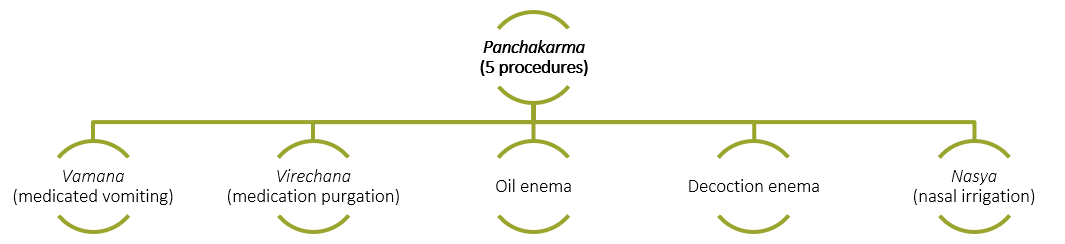
Ayurveda treats disease by choosing the right direction of elimination whether that be clearing what’s stuck in the head, chest, gut or tissues. Each panchakarma method works on a different pathway.
Many people assume this level of cleansing is only possible with residential stays in India but at least four out of five of these are easily practised in the UK. At The Ayurveda Practice, we help clients using four of these five techniques: medicated purgation, oil and decoction enemas and nasal irrigation. Very few places in the UK practice medicated vomiting as it requires very particular in-patient care.
Firstly, do you need panchakarma?
I suppose the question isn’t really “Do you need panchakarma?” so much as “How is your system coping with the world you live in?” Modern life loads the body with far more inputs than it evolved to handle; food additives, chronic stress, irregular routines, screens, late nights, emotional load, environmental toxins. Panchakarma is Ayurveda’s way of clearing the backlog.
When digestion, skin, energy, mood or hormones start showing repeated disturbances, Ayurveda sees this as the body signalling that it is time for panchakarma. Sometimes this is really obvious and sometimes the signs are subtle:
- Waking unrefreshed even after enough sleep
- Feeling “puffy”, heavy or inflamed
- Craving stimulation (coffee, sugar, screens) to feel normal
- Feeling emotionally reactive or stuck
- Seasonal dips in resilience
Even without these signs, classical Ayurveda recommends seasonal cleansing not because everyone is sick, but because everyone accumulates. Panchakarma is like clearing the gutters before the storm, not after the flood. This is key to Ayurveda’s system for longevity.
What would be the benefits of panchakarma?
Panchakarma essentially gives you a system reset.
- Improved digestive fire → better nutrient absorption
- Reducing inflammation → calmer skin, joints, metabolism
- Resetting gut–brain axis → steadier mood and sleep
- Removing accumulated waste → more efficient cellular repair
- Resetting appetite and cravings → metabolic clarity
Often the act of taking the time to cleanse, looking after yourself and consciously working at clearing the body will have a decluttering effect on the mind too and clients have described a sense of clarity and feeling ‘more like myself’.
Panchakarma is quite a strong programme of treatment but it is not because of that that it works. It works because it’s systematic. It lightens the load, mobilises what’s stuck, removes it safely, and then rebuilds strength. It’s the opposite of fad detoxes in that it’s a physiological sequence, not a quick fix.
Which one is right for you?
Panchakarma isn’t for everyone; it’s not advised during pregnancy, breastfeeding, acute illness, severe depletion, or for young children or the very elderly.
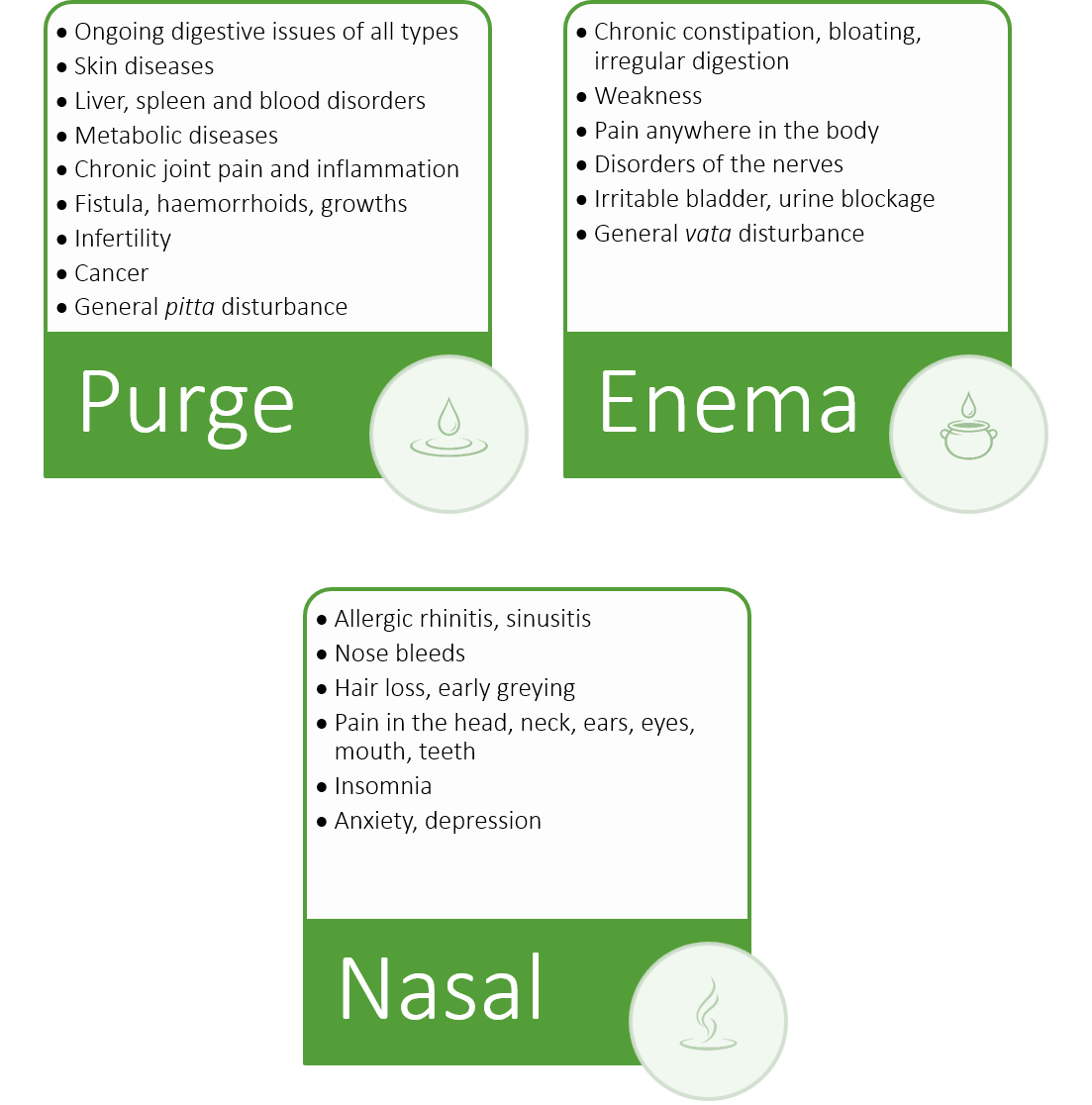
Ayurveda has refined cleansing and digestive reset techniques for more than 3,000 years. Panchakarma draws on that lineage, offering structured ways to restore balance. Each technique has a different direction of action: downward (purge), inward/grounding (enema), or upward/clearing (nasal). Here’s a quick guide to which suits which situations.
Medicated purgation
This is purging via the bowel. In addition to the purging you get enormous proven benefits from the fasting and ketosis which comes from the preparatory fat-drinking.
It is often used for, among other things:
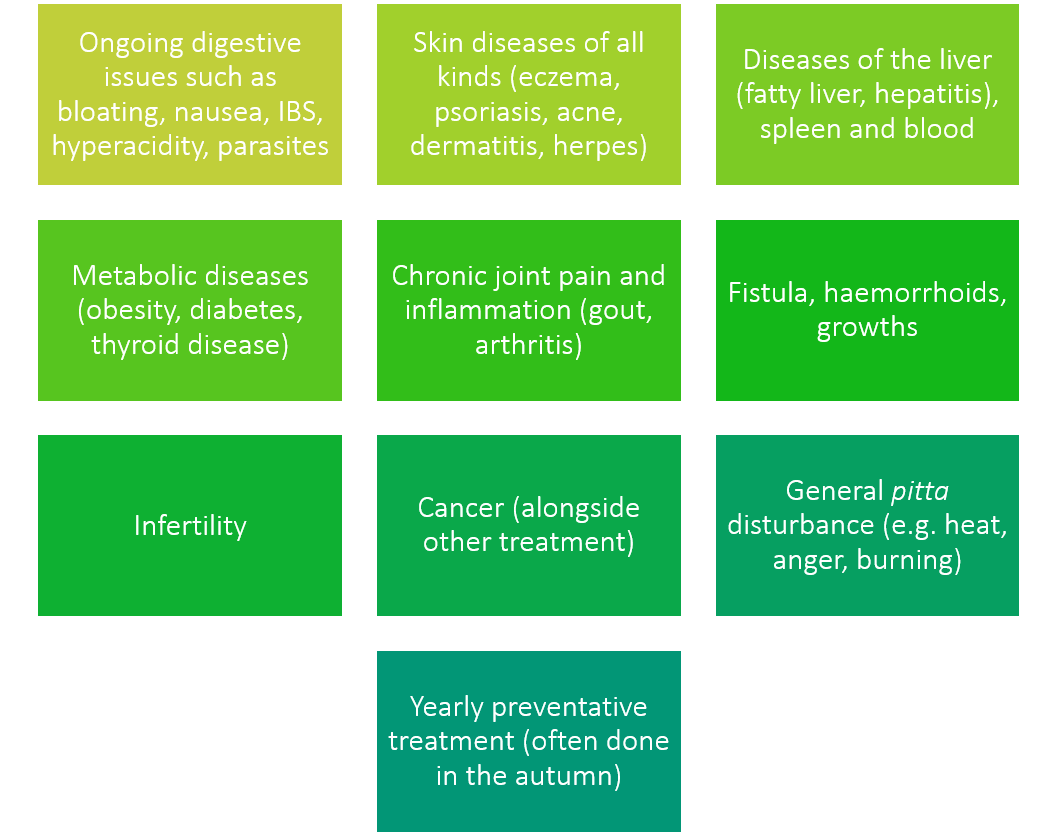
Research, such as these recent studies on obesity[1] and eczema[2], continues to back up the efficacy of purgation in many areas.
Purging is not for everyone. If you are very weak, post-operative, pregnant, recovering from illness or child birth, are suffering from bleeding from the rectum or have untreated alcoholism, then this particular method is not for you. It is also not advised for children or the elderly.
At The Ayurveda Practice there are two ways to have medicated purgation. The traditional, full purge is the deepest cleanse you can do and is recommended as an essential health and longevity tool. The quick-purge takes half the time and gives about half the effect – half of a lot is still a lot! You can see how these work and compare the two purges below.
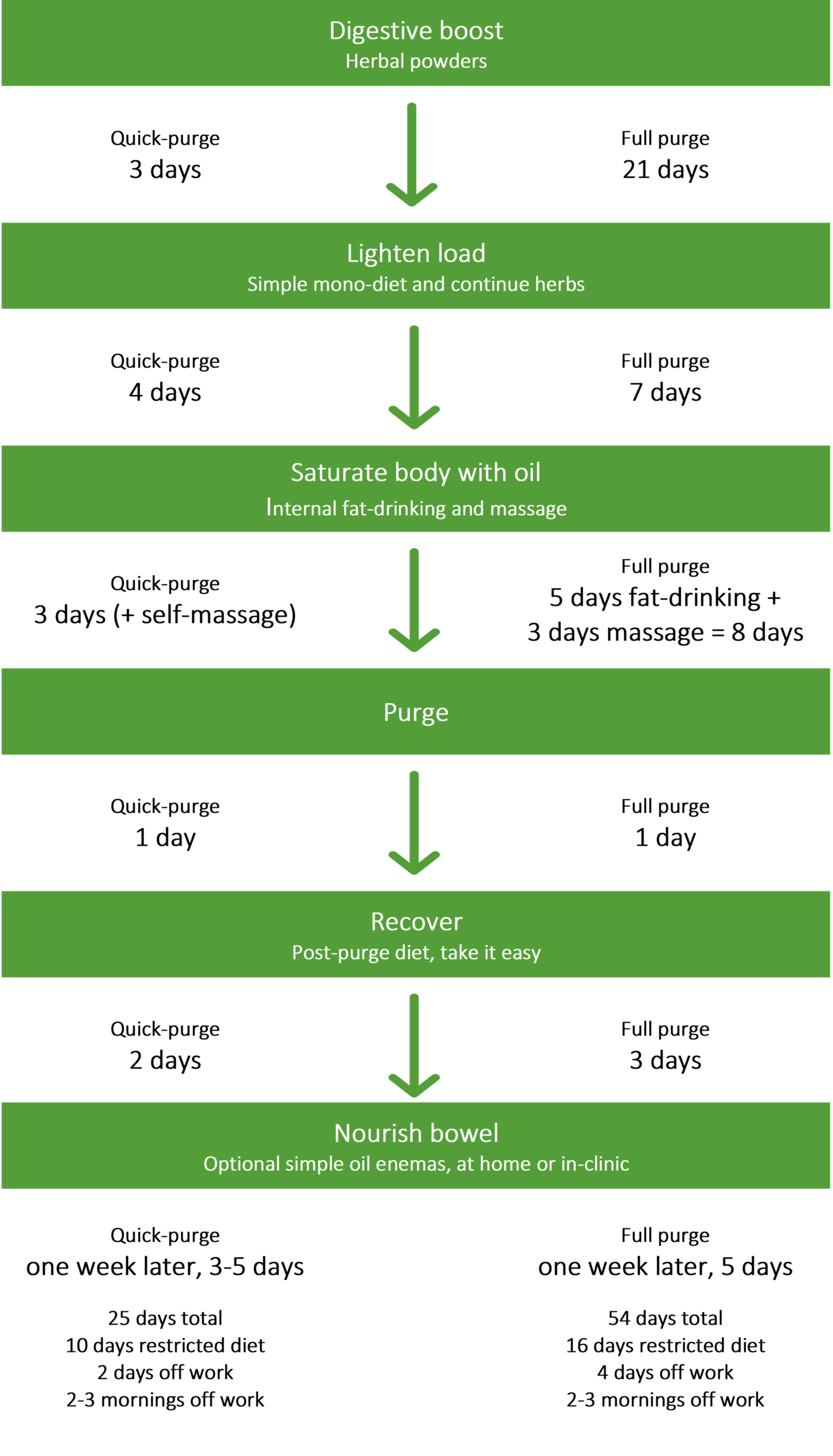
As you can see, this is an undertaking. There are many thousands who do this year-in year-out and maybe this could be the thing you need?
Enemas
Many assume enemas are just useful for clearing the bowel but in Ayurveda they are used for much more. Sometime, as in the case of oil enemas, it is more about putting something IN rather than taking something OUT. Clearing can be done with the decoction enemas but are always book-ended by oil enemas to ensure the bowel’s delicate skin remains soothed and nourished. This makes it a markedly different and safer offering to colonic irrigation.
Best for:
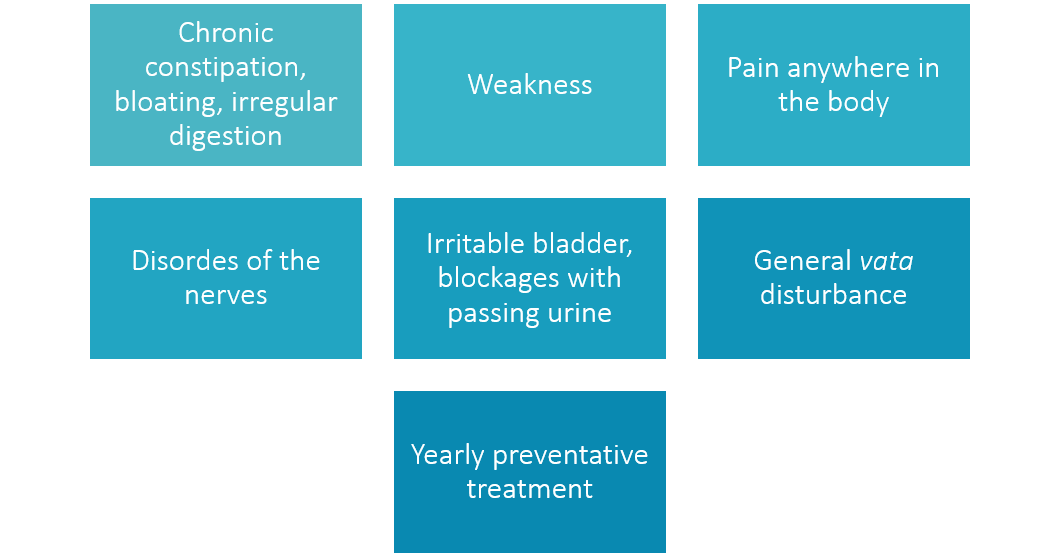
Having enemas does not require a big shift in diet or lifestyle for the duration of treatment. Enemas are not recommended for those with jaundice, haemorrhoids, diabetes or those who are very depleted.
Nasal irrigation

As you’d imagine, nasal irrigation is best for ENT disorders although many are surprised that they also help with mental health conditions. You can easily have nasal irrigation as you go about your normal daily life as it does not require diet or lifestyle changes.
Best for:
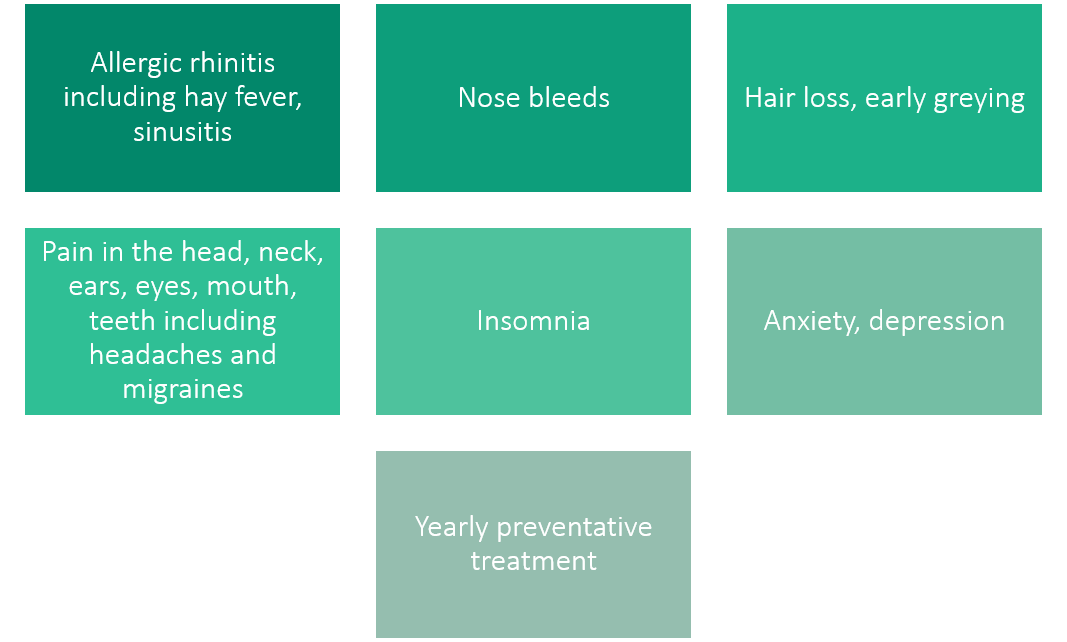
Nasal irrigation and some enemas can easily and safely be practiced at home under guidance, which can make them very cost effective in terms of both time and money. This is not for children or the elderly, or whilst pregnant or breastfeeding. If you’d like to know more about any of these treatments, you can see our offering here. Do get in touch or book in for an enquiry call if you’d like to know more about how Ayurveda might be able to help you.
[1] https://journals.lww.com/aayu/fulltext/2019/40030/a_clinical_study_on_virechana_karma__therapeutic.8.aspx
[2] https://journals.lww.com/AAYU/fulltext/2012/33040/Role_of_Virechana_Karma_in_cure_and_prevention_of.9.aspx


0 Comments